
Why Oliver is fed up with “intrusive” alcohol advertising
I find alcohol advertising very intrusive. It’s everywhere, and not just billboards, it follows me into my home.



I find alcohol advertising very intrusive. It’s everywhere, and not just billboards, it follows me into my home.

As Australia has built our policies around the prevention of family, domestic and sexual violence, the role of alcohol has been denied.

Violence involving alcohol increases at the time of football grand finals and the State of Origin. The link is so strong that the Rapid Review of Prevention Approaches for family and domestic violence recommended that “alcohol advertising be restricted during sporting events”.

Our phones connect us to friends and family, to news and entertainment, to shopping and banking. As we scroll, search

New research released today unveils how Facebook targets people who are at risk of harm with alcohol and gambling advertising.
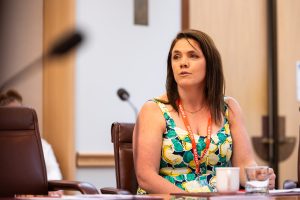
Proud Palawa woman Nicole Hewlett explains how Aboriginal and Torres Strait Islander peoples play a fundamental role in addressing alcohol and violence within their communities.

The industry body representing commercial television stations is seeking to extend the times that alcoholic products can be advertised by about 800 hours each year.

FARE team member Jo shares how cutting out alcohol, alongside other changes in her life, made a palpable difference to her mental health.

Dr Ingrid Wilson explores her research that has aimed to elevate the voices of women whose experience of alcohol-related violence are rarely heard – and often overlooked.

More than 200 community leaders have called on the NT Government to keep in place measures that work to reduce alcohol-related harm.

Children and young people should be able to experience the benefits that come with engaging in the online world, without being commercially cyberstalked with aggressive and potentially dangerous marketing.

Privacy reform is urgently needed, with few checks and balances for data-driven marketing practices. This is most evident when you look at what is happening with kids data online.

Open letter: Putting the health, wellbeing and safety of Territorians first Dear Chief Minister the Hon Lia Finocchiaro, We are

All Australians should have the opportunity to be healthy, safe and free from the many ways that alcohol causes harm to people, families and communities.

Using Influence Engine, people can discover various activities of corporations, including alcohol companies.

For far too long, it was politically controversial to take action. Alcohol was blatantly ignored, when it’s a known accelerant for domestic, family and sexual violence.

FARE lodged a submission to the Queensland Government on the proposed amendments to the Liquor Act 1992 and the Wine Industry Act 1992.

Alcohol wasn’t a big factor in Rebekah’s life before she started her dream career in nursing.

New research shows one in six children have experienced harm from the alcohol use of adults around them, including verbal abuse and violence.

Federal inquiry into the health impacts of alcohol & other drugs Hundreds of individuals and organisations from across the country
I find alcohol advertising very intrusive. It’s everywhere, and not just billboards, it follows me into my home.
As Australia has built our policies around the prevention of family, domestic and sexual violence, the role of alcohol has been denied.
Violence involving alcohol increases at the time of football grand finals and the State of Origin. The link is so strong that the Rapid Review of Prevention Approaches for family and domestic violence recommended that “alcohol advertising be restricted during sporting events”.
New research released today unveils how Facebook targets people who are at risk of harm with alcohol and gambling advertising.
Proud Palawa woman Nicole Hewlett explains how Aboriginal and Torres Strait Islander peoples play a fundamental role in addressing alcohol and violence within their communities.
The industry body representing commercial television stations is seeking to extend the times that alcoholic products can be advertised by about 800 hours each year.
FARE team member Jo shares how cutting out alcohol, alongside other changes in her life, made a palpable difference to her mental health.
Dr Ingrid Wilson explores her research that has aimed to elevate the voices of women whose experience of alcohol-related violence are rarely heard – and often overlooked.
More than 200 community leaders have called on the NT Government to keep in place measures that work to reduce alcohol-related harm.
Children and young people should be able to experience the benefits that come with engaging in the online world, without being commercially cyberstalked with aggressive and potentially dangerous marketing.
Privacy reform is urgently needed, with few checks and balances for data-driven marketing practices. This is most evident when you look at what is happening with kids data online.
All Australians should have the opportunity to be healthy, safe and free from the many ways that alcohol causes harm to people, families and communities.
Using Influence Engine, people can discover various activities of corporations, including alcohol companies.
For far too long, it was politically controversial to take action. Alcohol was blatantly ignored, when it’s a known accelerant for domestic, family and sexual violence.
FARE lodged a submission to the Queensland Government on the proposed amendments to the Liquor Act 1992 and the Wine Industry Act 1992.
Alcohol wasn’t a big factor in Rebekah’s life before she started her dream career in nursing.
New research shows one in six children have experienced harm from the alcohol use of adults around them, including verbal abuse and violence.