
Research shows how alcohol companies swamp social media feeds pushing sales, rapid delivery
When a researcher told me he was asked to remove evidence on alcohol, I wasn’t surprised.



When a researcher told me he was asked to remove evidence on alcohol, I wasn’t surprised.

While online technologies play an important role in our lives, it is essential that digital environments are safe and facilitate

When a researcher told me he was asked to remove evidence on alcohol, I wasn’t surprised.

When a researcher told me he was asked to remove evidence on alcohol, I wasn’t surprised.

Sam is a 14-year-old living with FASD, who deserves to be living a happy and healthy life, with the support services she needs.

On New Year’s Day 2015, Maz Compton – a former MTV presenter, radio host and the brains behind the book and podcast ‘Last Drinks’ – made the decision to give up alcohol for one month.

NSW politicians proudly stood alongside DrinkWise asking people to drink in moderation, while those same companies block effective alcohol policy reforms that could prevent harm.

The line between marketing and alcohol delivery is increasingly blurred.

As a midwife and lactation consultant for more than 15 years, Marie Hobden has supported countless women through pregnancy.
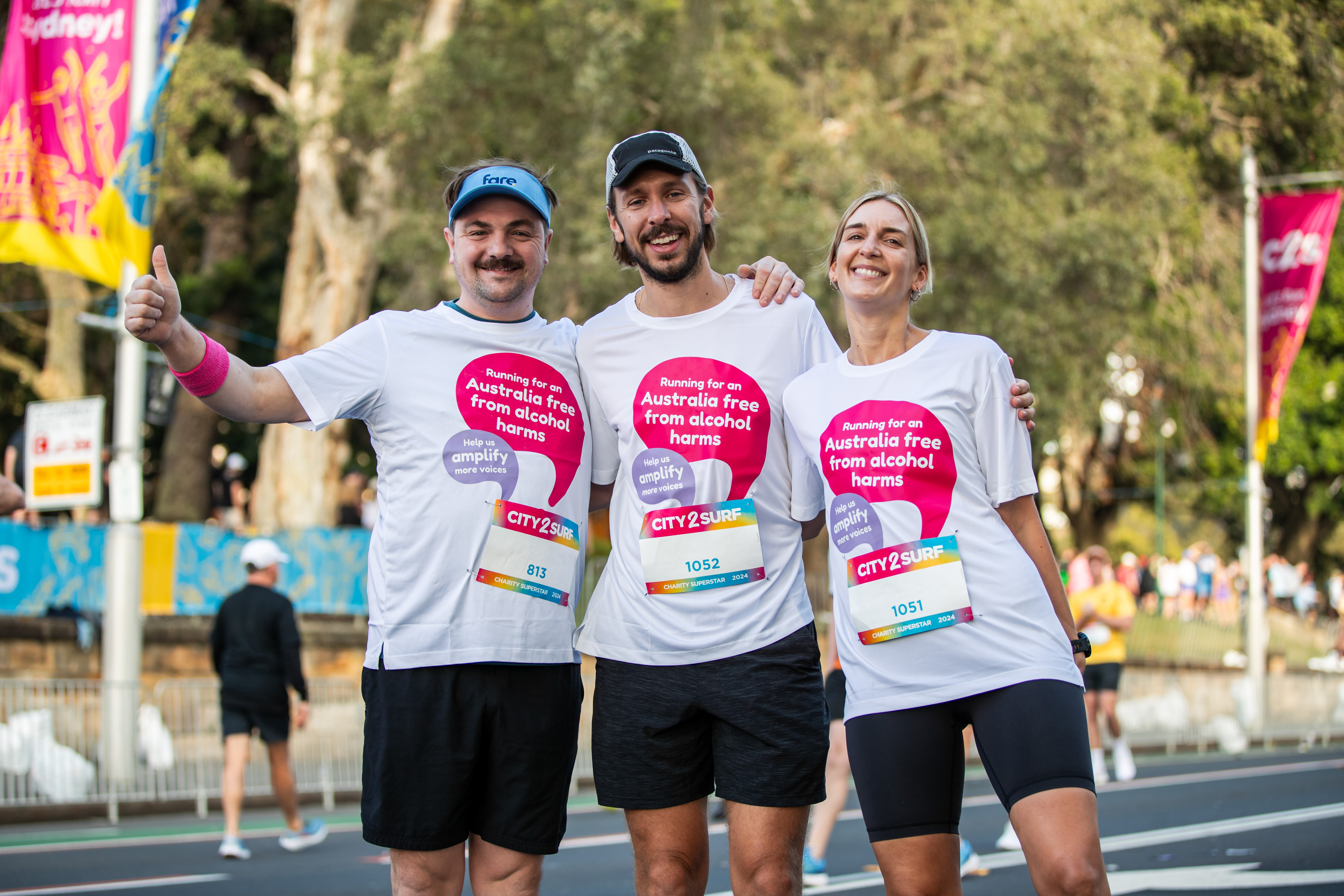
Preparing for City2Surf race day! Please complete this quick form with your delivery address and t-shirt size and await a

Everyone should be able to enjoy the benefits of using digital technologies to work, learn and play. This can happen when we have safe digital environments that support people’s health and wellbeing. However, when it comes to harmful and addictive products like alcohol, social media platforms have designed marketing systems geared toward creating harm.
Sue discusses why it’s so important for partners and family to support women to have an alcohol-free pregnancy.

Currently, people are tracked, profiled and targeted with advertising for harmful and addictive products, such as alcohol, gambling, e-cigarettes and unhealthy food, when they are online. The wellbeing and safety of Australians must be prioritised over commercial profits from online platforms’ harmful advertising practices.

Carolyn Perlini ran in the HBF Run for a Reason in Perth last May in honour of her cousin Simon

The online world is a predatory marketing minefield but there are currently no protections for children and young people.

Jenny stopped drinking alcohol before she started trying for a baby, because she knew it was best for her health, and her baby’s health.

The justice system needs to be unequivocal and consistent in how it deals with alcohol use to help prevent sexual assault and ensure that justice is served for survivors. Reforming justice responses to sexual violence will directly support victim survivors.

A new pilot study analysing screen recordings from young people’s online activity has found that companies are targeting them with ads for harmful products including alcohol, gambling and junk food.

We were not just talking, we were committed to pulling together tangible actions to prevent harm to women and children.
When a researcher told me he was asked to remove evidence on alcohol, I wasn’t surprised.
When a researcher told me he was asked to remove evidence on alcohol, I wasn’t surprised.
When a researcher told me he was asked to remove evidence on alcohol, I wasn’t surprised.
Sam is a 14-year-old living with FASD, who deserves to be living a happy and healthy life, with the support services she needs.
On New Year’s Day 2015, Maz Compton – a former MTV presenter, radio host and the brains behind the book and podcast ‘Last Drinks’ – made the decision to give up alcohol for one month.
NSW politicians proudly stood alongside DrinkWise asking people to drink in moderation, while those same companies block effective alcohol policy reforms that could prevent harm.
The line between marketing and alcohol delivery is increasingly blurred.
As a midwife and lactation consultant for more than 15 years, Marie Hobden has supported countless women through pregnancy.
Everyone should be able to enjoy the benefits of using digital technologies to work, learn and play. This can happen when we have safe digital environments that support people’s health and wellbeing. However, when it comes to harmful and addictive products like alcohol, social media platforms have designed marketing systems geared toward creating harm.
Sue discusses why it’s so important for partners and family to support women to have an alcohol-free pregnancy.
Currently, people are tracked, profiled and targeted with advertising for harmful and addictive products, such as alcohol, gambling, e-cigarettes and unhealthy food, when they are online. The wellbeing and safety of Australians must be prioritised over commercial profits from online platforms’ harmful advertising practices.
Carolyn Perlini ran in the HBF Run for a Reason in Perth last May in honour of her cousin Simon
The online world is a predatory marketing minefield but there are currently no protections for children and young people.
Jenny stopped drinking alcohol before she started trying for a baby, because she knew it was best for her health, and her baby’s health.
The justice system needs to be unequivocal and consistent in how it deals with alcohol use to help prevent sexual assault and ensure that justice is served for survivors. Reforming justice responses to sexual violence will directly support victim survivors.
A new pilot study analysing screen recordings from young people’s online activity has found that companies are targeting them with ads for harmful products including alcohol, gambling and junk food.
We were not just talking, we were committed to pulling together tangible actions to prevent harm to women and children.