
Natalya’s story: The question that helped her cut out alcohol for good
After recognising alcohol was having a negative impact on her life, Natalya resolved to choose her health and happiness over what society wanted – and hasn’t looked back.



After recognising alcohol was having a negative impact on her life, Natalya resolved to choose her health and happiness over what society wanted – and hasn’t looked back.

From ensuring kids see fewer alcohol, gambling and unhealthy food ads, to better supporting young men, this is how taking action to reduce harmful product advertising can create a better future.

In 2024, National Cabinet made a commitment that should have marked a turning point in how this country approaches the prevention of domestic, family and sexual violence.

Australians should be able to enjoy sport and entertainment in environments that are safe and free from harm caused by alcohol. Commercial free-to-air television continues to play a significant role in the lives of Australians, and in shaping community norms and behaviours. More than half of Australian adults are watching broadcast television each week, according to the latest data from ACMA.

This article was first published on Women’s Agenda. As the curtain open on this year’s footy season, parents across the


Public health organisations and community advocates are calling on Australia’s media regulator to use its review of television alcohol advertising rules to introduce stronger safeguards, saying current regulations fail to protect the community from harm and fall short of public expectations.

This report analyses findings from a nationally representative survey conducted in February 2026, on public attitudes to alcohol advertising on television in Australia. The survey reveals significant community concern about the nature and extent of alcohol advertising and signals clear community demand for stricter regulation of alcohol advertising.

Alcohol dependence Australians from all walks of life can experience dependence. You are not alone – and it’s never too

Have your say to reduce alcohol ads on TV We should all be able to switch on the TV to watch our favourite
There should never be a dollar value that buys our democracy. And yet alcohol and gambling companies are donating millions of dollars to Australian political parties in a pattern that peaks just before election time.

In March 2026, the NT Legislative Assembly referred the Liquor Legislation Amendment Bill 2026 to the NT Legislative Scrutiny Committee for a rushed inquiry, seeking submissions within just one week. In the Bill, the NT Government did not give sufficient regard to the right to health, or to the ‘consultation’ process on the Bill. The Bill would likely contribute to preventable harm in the Northern Territory community.

When I lost my son Dylan to Alcohol Use Disorder (AUD) in 2022, my world changed forever.

Right now, there is a key opportunity to make a pivotal change to how alcohol can be advertised on TV.

The returned South Australian Labor Government has an opportunity to be among the first jurisdictions in the country to enact life-saving alcohol delivery laws.


Share your story to raise awareness of FASD Do you have lived or living experience of FASD, alcohol-free pregnancy or

New polling shows overwhelming public support to curb pervasive gambling, alcohol and unhealthy food advertising, as over 130 key organisations

The ACT is one step closer to implementing life-saving updates to alcohol delivery laws, as advocates urge the territory government to implement its Liquor Amendment Bill as soon as possible.
After recognising alcohol was having a negative impact on her life, Natalya resolved to choose her health and happiness over what society wanted – and hasn’t looked back.
From ensuring kids see fewer alcohol, gambling and unhealthy food ads, to better supporting young men, this is how taking action to reduce harmful product advertising can create a better future.
In 2024, National Cabinet made a commitment that should have marked a turning point in how this country approaches the prevention of domestic, family and sexual violence.
Australians should be able to enjoy sport and entertainment in environments that are safe and free from harm caused by alcohol. Commercial free-to-air television continues to play a significant role in the lives of Australians, and in shaping community norms and behaviours. More than half of Australian adults are watching broadcast television each week, according to the latest data from ACMA.
I’m Good is a digital campaign that offers tips, strategies and evidence-based information to the 1 in 3 Canberrans who want to cut back or cut out alcohol.
Public health organisations and community advocates are calling on Australia’s media regulator to use its review of television alcohol advertising rules to introduce stronger safeguards, saying current regulations fail to protect the community from harm and fall short of public expectations.
This report analyses findings from a nationally representative survey conducted in February 2026, on public attitudes to alcohol advertising on television in Australia. The survey reveals significant community concern about the nature and extent of alcohol advertising and signals clear community demand for stricter regulation of alcohol advertising.
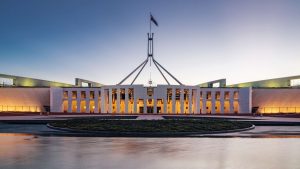
There should never be a dollar value that buys our democracy. And yet alcohol and gambling companies are donating millions of dollars to Australian political parties in a pattern that peaks just before election time.
In March 2026, the NT Legislative Assembly referred the Liquor Legislation Amendment Bill 2026 to the NT Legislative Scrutiny Committee for a rushed inquiry, seeking submissions within just one week. In the Bill, the NT Government did not give sufficient regard to the right to health, or to the ‘consultation’ process on the Bill. The Bill would likely contribute to preventable harm in the Northern Territory community.
When I lost my son Dylan to Alcohol Use Disorder (AUD) in 2022, my world changed forever.
Right now, there is a key opportunity to make a pivotal change to how alcohol can be advertised on TV.
The returned South Australian Labor Government has an opportunity to be among the first jurisdictions in the country to enact life-saving alcohol delivery laws.
The ACT is one step closer to implementing life-saving updates to alcohol delivery laws, as advocates urge the territory government to implement its Liquor Amendment Bill as soon as possible.