


Home / Resources and support / Alcohol and your health / Alcohol dependence
Home / Resources and support / Alcohol and your health / Alcohol dependence
Alcohol is an addictive product. Some people who drink alcohol become dependent on it, that is ‘hooked’ on it.
In fact, around 1 in 10 Australians experience alcohol dependence.
Alcohol dependence is where a person is unable to stop or control their alcohol use, despite experiencing harms from their drinking. Alcohol dependence is also known as alcohol use disorder, or alcohol addiction.
There are many different reasons why you may become dependent on alcohol. It may start by using alcohol to relieve physical pain, trauma, or mental health conditions, including anxiety and depression. Or you may not know why it started.
Over time, you may increase the amount of alcohol you drink to get the same effects or be unable to stop drinking alcohol.
These can be signs of dependence.
Alcohol dependence affects people of all ages, backgrounds, incomes and professions.
There are many ways to get help, from joining a peer-led group to talking to a health professional.
If you are caring for someone who may have alcohol dependence, there are also support services that offer a helping hand.
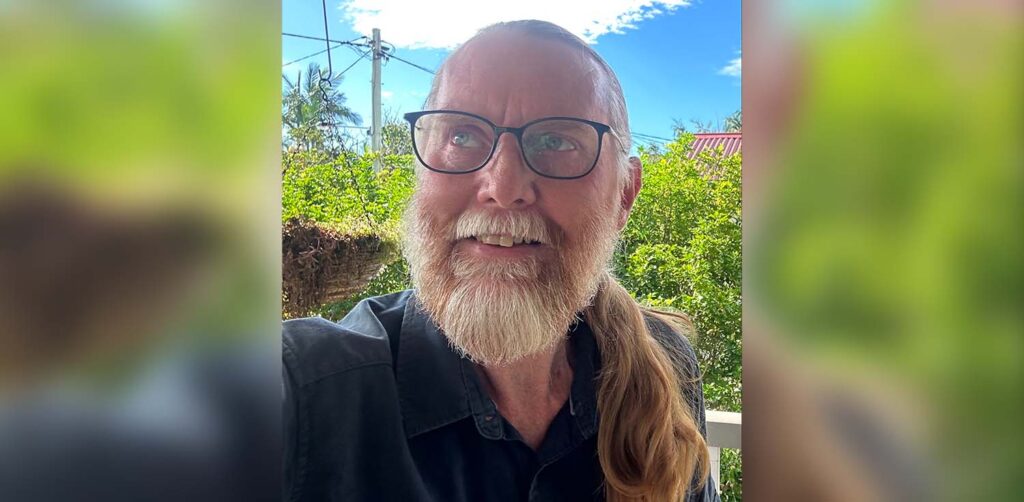
Before Rodney sought treatment for alcohol dependence, using alcohol “excessively and compulsively” over many years had affected his family, work and mental health.
Rodney is now more than 20 years sober after navigating years of isolation and shame – fuelled by alcohol companies’ stigmatising tagline of ‘drink responsibly’.
When he started his recovery, Rodney realised that there were many people just like him, and learned that people with alcohol dependence have diverse backgrounds, jobs, and life experiences.
If you or someone you know is alcohol dependent, they may experience at least two of the following:
If you are a family member, friend or colleague of someone you believe may have an alcohol dependence, talking to them about their alcohol use can be difficult.
Often, people with an alcohol dependence may not realise that they are dependent on alcohol. Their ability to think clearly may be hampered by alcohol dependency.
At the same time, you may have witnessed them taking more days off work or withdrawing from the activities or relationships they previously enjoyed, because of their alcohol use.
Talking to them directly about their alcohol use is a powerful first step.
If you are planning to have a conversation with a loved one about their alcohol use, we have some tips that can help ensure these conversations are free of stigma.
Stigma is one of the main barriers that discourages people from seeking help.
If you have tried to talk to your loved one about their dependence before and been met with resistance, you might be thinking: “How can I make them stop?”
These conversations might not go exactly to plan the first time. You might feel frustrated that your loved one is not acting straight away. But by creating an environment that feels safe, supportive and accepting, they might feel more comfortable to talk openly about their experience in the future.
In these moments, also prioritise taking care of yourself. This is crucial, because you may also be experiencing harms from their alcohol use.
You can reach out to the many hotlines and services available to support conversations about someone else’s alcohol use, or to share your concerns and feelings.





Health professionals, like GPs, may use a screening tool to assess whether you – or someone you know – have an alcohol use disorder.
They may ask you questions about your levels of alcohol use, attempts to stop, impulse control, social impacts, withdrawal, memory loss, injuries and other concerns – and ask you to complete an Alcohol Use Disorders Identification Test (AUDIT).
The AUDIT is a screening tool created by the World Health Organisation to detect signs of alcohol dependence.
If your results show a high level of risk, your health professional will connect you with services and organisations that can help.
If you currently drink at high levels, it may be dangerous to cut back or cut out alcohol without the support from a health professional. Your GP can review your situation and help advise the best way forward.
You can find a local GP at healthdirect.gov.au or by calling 1800 022 222.
If you are drinking at lower levels and want to reduce your alcohol use, there are lots of tips, tools and strategies that can help.
More information

To find a local GP, you can call 1800 022 222 or visit healthdirect.gov.au. To find a local psychologist, visit psychology.org.au/find-a-psychologist. If you need other support to reduce your drinking, you can contact the National Alcohol and Other Drug Hotline on 1800 250 015.
Fill out the form below to receive regular updates & resources.