



As a wine marketer for two decades, Simon knows intimately the tactics used by alcohol companies to sell their products.

Community organisations are calling for an end to political donations by alcohol and gambling companies, and their lobby groups.

In October 2025, the Australian Government launched an inquiry into the relationship between domestic, family and sexual violence (DFSV) and suicide. The Terms of Reference were broad, covering at-risk groups, prevalence, reporting, prevention, legal, health, mental health and other services. However, there was no mention of investigating the role that alcohol plays in DFSV and suicide.

We need to talk about the wall-to-wall alcohol advertising that saturates the Australian Open. When alcohol and sport intertwine, it creates an environment where harms grow.

Brian Lyons has always been a runner. It gives him a sense of freedom and has become a vital part of the community he’s created in his hometown of Devonport, Tasmania.

In November 2025, the Tasmanian Government announced a consultation on reforming the Liquor Licensing Act 1990. Tasmania needs effective regulatory controls to address and reduce harms from alcohol. However, the laws that exist to keep people safe and protect them from harm have not kept pace with the way that alcoholic products are marketed, sold and delivered.

Survivor advocates and community organisations welcome the South Australian government’s commitment to act “immediately” to reduce domestic, family and sexual violence with life-saving updates to the state’s alcohol laws.

FARE is supporting other public health organisations in advocating for VicHealth’s independence to be retained, after the Victorian Government announced plans for its future.

Alcohol’s Harm to Others in Australia: Patterns, Costs, Disparities and Precipitants is the most comprehensive analysis to date of harm beyond the person using alcohol.
A critical area of harm is family, domestic and sexual violence. Australia is at a crisis point, and evidence consistently shows that alcohol increases the frequency and severity of violence.

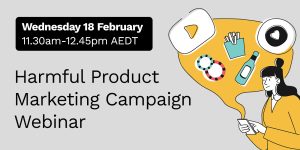
Companies are using sophisticated data-driven marketing methods to track, profile and target Australians with harmful advertising at times of heightened susceptibility.

Currently, when people are online, they are extensively tracked, profiled and targeted with data-driven advertising of harmful and addictive products.

A new digital campaign will help Canberrans who want to reduce alcohol use find practical ways to make a change.

The ACT Government recently tabled its Liquor Amendment Bill 2025 that updates the ACT’s Liquor Act to provide important safety measures that will reduce harm to women and children.

The number of men who died from alcohol-related causes in 2024 increased to the highest in the past 10 years, new ABS data shows.
Domestic, family and sexual violence survivor advocates and community organisations say the South Australian government must act swiftly to implement

A new Policy Brief released today by Our Watch and endorsed by the Foundation for Alcohol Research and Education (FARE)

For Mental Health Month, five Tasmanians share their story of how cutting back or cutting out alcohol was a decision that ultimately supported their mental health.

In August 2025, the Minister for Health and Ageing re-established the Inquiry into the health impacts of alcohol and other drugs in Australia, that had lapsed at the end of the previous parliamentary term. The Inquiry had received over 200 Submissions and published an Issues Paper in March 2025, that included the recommendation that the Inquiry continue in the next Parliamentary term. FARE lodged a supplementary Submission to the reconstituted Inquiry, which had the same Terms of reference.
As a wine marketer for two decades, Simon knows intimately the tactics used by alcohol companies to sell their products.
Community organisations are calling for an end to political donations by alcohol and gambling companies, and their lobby groups.
In October 2025, the Australian Government launched an inquiry into the relationship between domestic, family and sexual violence (DFSV) and suicide. The Terms of Reference were broad, covering at-risk groups, prevalence, reporting, prevention, legal, health, mental health and other services. However, there was no mention of investigating the role that alcohol plays in DFSV and suicide.
We need to talk about the wall-to-wall alcohol advertising that saturates the Australian Open. When alcohol and sport intertwine, it creates an environment where harms grow.
Brian Lyons has always been a runner. It gives him a sense of freedom and has become a vital part of the community he’s created in his hometown of Devonport, Tasmania.
In November 2025, the Tasmanian Government announced a consultation on reforming the Liquor Licensing Act 1990. Tasmania needs effective regulatory controls to address and reduce harms from alcohol. However, the laws that exist to keep people safe and protect them from harm have not kept pace with the way that alcoholic products are marketed, sold and delivered.
Survivor advocates and community organisations welcome the South Australian government’s commitment to act “immediately” to reduce domestic, family and sexual violence with life-saving updates to the state’s alcohol laws.
FARE is supporting other public health organisations in advocating for VicHealth’s independence to be retained, after the Victorian Government announced plans for its future.
Alcohol’s Harm to Others in Australia: Patterns, Costs, Disparities and Precipitants is the most comprehensive analysis to date of harm beyond the person using alcohol.
A critical area of harm is family, domestic and sexual violence. Australia is at a crisis point, and evidence consistently shows that alcohol increases the frequency and severity of violence.
Companies are using sophisticated data-driven marketing methods to track, profile and target Australians with harmful advertising at times of heightened susceptibility.
Currently, when people are online, they are extensively tracked, profiled and targeted with data-driven advertising of harmful and addictive products.
A new digital campaign will help Canberrans who want to reduce alcohol use find practical ways to make a change.
The ACT Government recently tabled its Liquor Amendment Bill 2025 that updates the ACT’s Liquor Act to provide important safety measures that will reduce harm to women and children.
The number of men who died from alcohol-related causes in 2024 increased to the highest in the past 10 years, new ABS data shows.
For Mental Health Month, five Tasmanians share their story of how cutting back or cutting out alcohol was a decision that ultimately supported their mental health.
In August 2025, the Minister for Health and Ageing re-established the Inquiry into the health impacts of alcohol and other drugs in Australia, that had lapsed at the end of the previous parliamentary term. The Inquiry had received over 200 Submissions and published an Issues Paper in March 2025, that included the recommendation that the Inquiry continue in the next Parliamentary term. FARE lodged a supplementary Submission to the reconstituted Inquiry, which had the same Terms of reference.