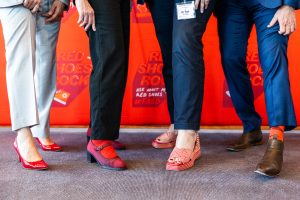
How to raise awareness of Fetal Alcohol Spectrum Disorder during Red Shoes Rock
Find out how you can get involved in this exciting global campaign to raise awareness of Fetal Alcohol Spectrum Disorder (FASD)!



Find out how you can get involved in this exciting global campaign to raise awareness of Fetal Alcohol Spectrum Disorder (FASD)!

Community groups and survivor-advocates have called for an urgent overhaul of alcohol laws after the South Australian Royal Commission into Domestic, Family and Sexual Violence concluded that alcohol is a key factor in violence towards women and children.

Speak to any frontline worker supporting domestic and family violence survivors and they’ll tell you that alcohol is often part of the story.
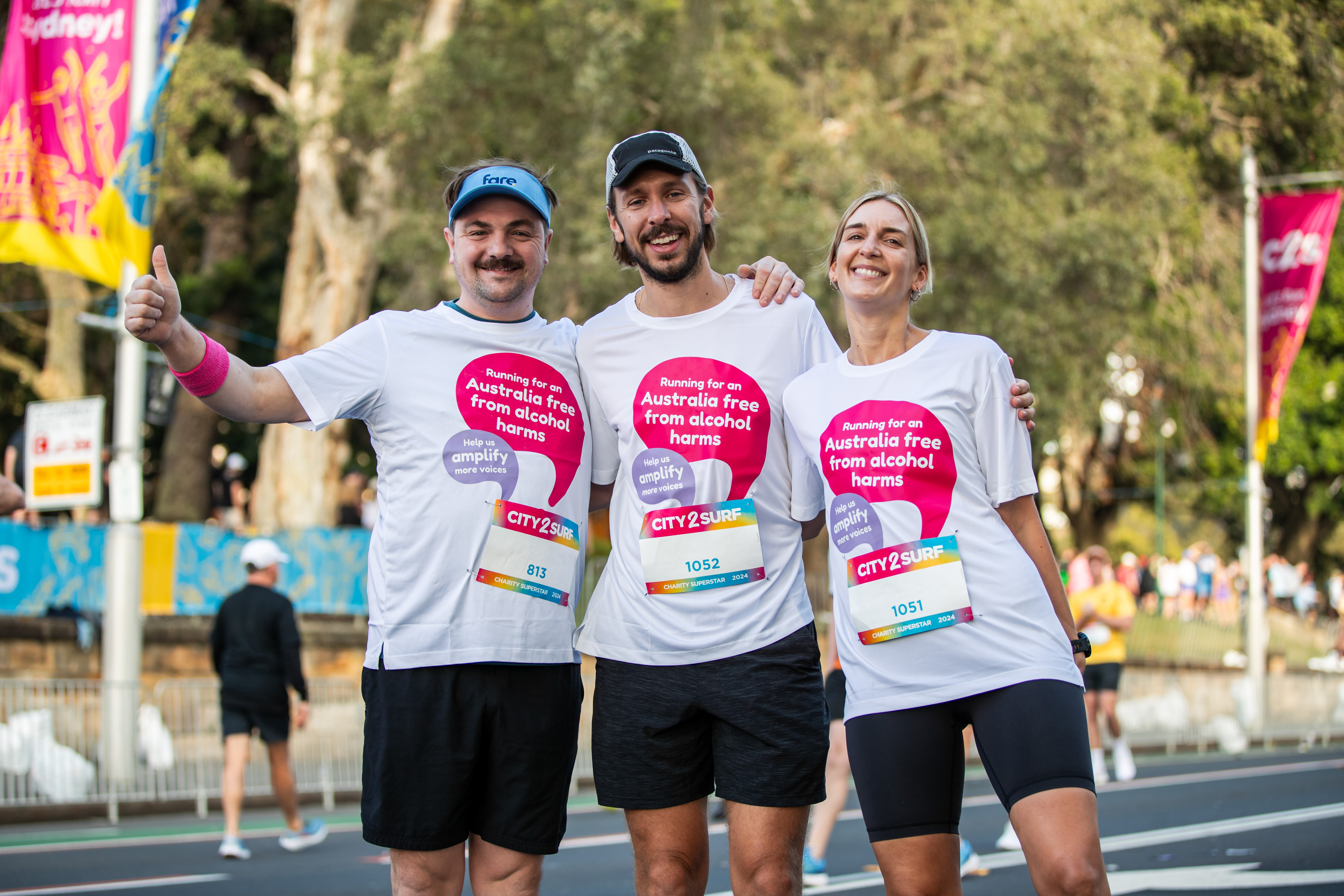
Get involved in creating an Australia free from alcohol harm. Every day, people across the country come together to level

Children need environments that are safe and support their wellbeing and this extends to digital spaces. However, children are currently subjected to pervasive data collection and profiling practices in digital environments, often without genuine consent or understanding.

Actor/Victim-Survivor Kym Valentine celebrates ACMA’s push to revisit a loophole that currently allows alcohol ads during sports broadcasts.

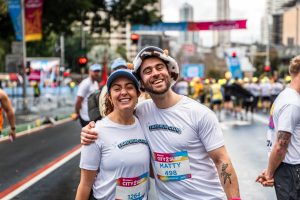
This August, a group of people will hit the streets of Sydney for a deeply personal cause: reducing stigma and raising awareness of alcohol harms.


Today community, health and children’s organisations have welcomed the Australian Communication and Media Authority’s decision to reject proposed changes to the Commercial TV Industry Code of Practice.
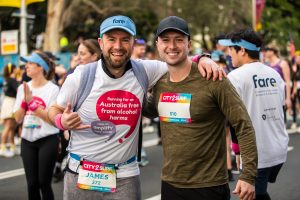
City2Surf fundraiser resources Download and use these resources to help you fundraise! Graphics Social tiles & frames Fundraising guides Posters

FARE conducted polling in South Australia to understand community attitudes toward alcohol law reforms aimed at reducing family and domestic violence linked to the online sale and rapid delivery of alcohol.

New research reveals almost 80 per cent of South Australians support proposed changes to alcohol laws that would reduce family and domestic violence and protect the community from rising alcohol harm.

Increasingly, Tasmanians are cutting back or cutting out alcohol. Learn how to enjoy this year’s Tasmania winter festival season without alcohol.

Be Nice To Brain has reached tens of thousands of Tasmanians since launching six months ago. This is what the campaign’s impact looks like so far.

Alcohol doesn’t cause violence, but it does exacerbate it. When the accessibility of alcohol increases, so does violence.

New research has revealed that children are exposed to alcohol product advertising on commercial television, highlighting the urgent need to close loopholes in the Commercial Television Industry Code of Practice.

Research shows that when children are exposed to alcohol marketing, they are more likely to start to drink alcohol at a younger age, and to go on to drink alcohol at high-risk levels later in life.
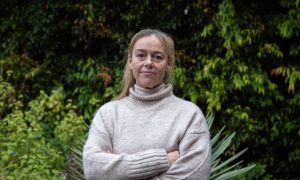
Angelene Bruce, the biological mother of a thriving child with FASD, is using her lived experience to help others achieve alcohol-free pregnancies.

In the six months before her death in 2023, Victorian woman Kathleen Arnold had 319 alcohol products delivered to her home.
Find out how you can get involved in this exciting global campaign to raise awareness of Fetal Alcohol Spectrum Disorder (FASD)!
Community groups and survivor-advocates have called for an urgent overhaul of alcohol laws after the South Australian Royal Commission into Domestic, Family and Sexual Violence concluded that alcohol is a key factor in violence towards women and children.
Speak to any frontline worker supporting domestic and family violence survivors and they’ll tell you that alcohol is often part of the story.
Children need environments that are safe and support their wellbeing and this extends to digital spaces. However, children are currently subjected to pervasive data collection and profiling practices in digital environments, often without genuine consent or understanding.
Actor/Victim-Survivor Kym Valentine celebrates ACMA’s push to revisit a loophole that currently allows alcohol ads during sports broadcasts.
This August, a group of people will hit the streets of Sydney for a deeply personal cause: reducing stigma and raising awareness of alcohol harms.
Today community, health and children’s organisations have welcomed the Australian Communication and Media Authority’s decision to reject proposed changes to the Commercial TV Industry Code of Practice.
FARE conducted polling in South Australia to understand community attitudes toward alcohol law reforms aimed at reducing family and domestic violence linked to the online sale and rapid delivery of alcohol.
New research reveals almost 80 per cent of South Australians support proposed changes to alcohol laws that would reduce family and domestic violence and protect the community from rising alcohol harm.
Increasingly, Tasmanians are cutting back or cutting out alcohol. Learn how to enjoy this year’s Tasmania winter festival season without alcohol.
Be Nice To Brain has reached tens of thousands of Tasmanians since launching six months ago. This is what the campaign’s impact looks like so far.
Alcohol doesn’t cause violence, but it does exacerbate it. When the accessibility of alcohol increases, so does violence.
New research has revealed that children are exposed to alcohol product advertising on commercial television, highlighting the urgent need to close loopholes in the Commercial Television Industry Code of Practice.
Research shows that when children are exposed to alcohol marketing, they are more likely to start to drink alcohol at a younger age, and to go on to drink alcohol at high-risk levels later in life.
Angelene Bruce, the biological mother of a thriving child with FASD, is using her lived experience to help others achieve alcohol-free pregnancies.
In the six months before her death in 2023, Victorian woman Kathleen Arnold had 319 alcohol products delivered to her home.