In August 2026, the Northern Territory Legislative Assembly referred the Traffic Legislation Amendment (Drink and Drug Driving and Hooning) Bill 2026 to the Legislative Scrutiny Committee for inquiry.
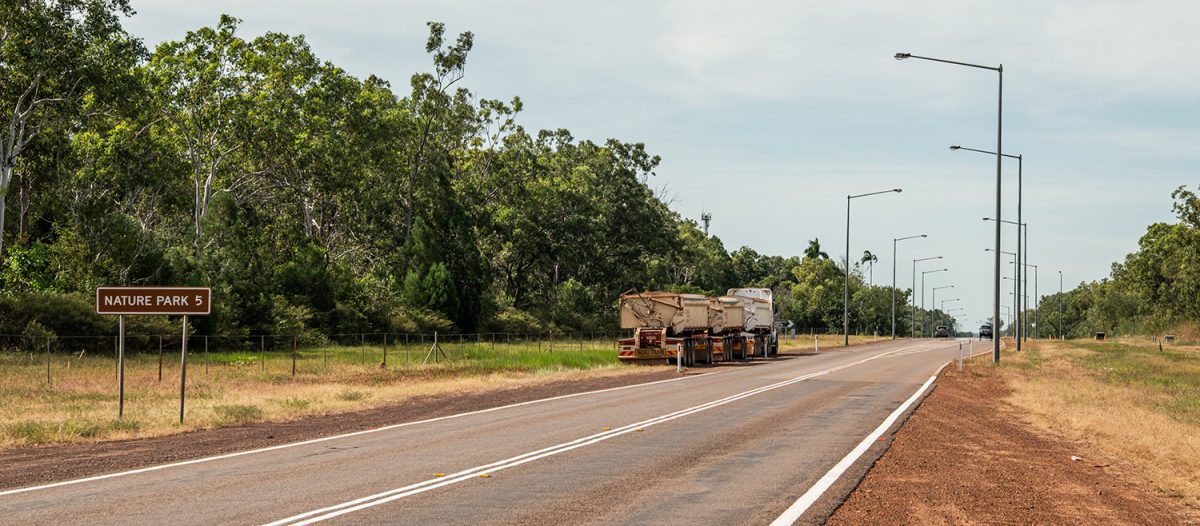



In August 2026, the Northern Territory Legislative Assembly referred the Traffic Legislation Amendment (Drink and Drug Driving and Hooning) Bill 2026 to the Legislative Scrutiny Committee for inquiry.

In July 2026, the Northern Territory Legislative Assembly referred the Liquor Act Amendment Bill 2026 (Serial 71) to the Legislative Scrutiny Committee. Measures in the Bill include the conversion of Aboriginal communities currently designated as Interim Alcohol Protected Areas into General Restricted Areas. NT Aboriginal Community Controlled Health Organisations have long advocated for this change as an effective measure to reduce community harms.

Australians should be able to enjoy sport and entertainment in environments that are safe and free from harm caused by alcohol. Commercial free-to-air television continues to play a significant role in the lives of Australians, and in shaping community norms and behaviours. More than half of Australian adults are watching broadcast television each week, according to the latest data from ACMA.

In March 2026, the NT Legislative Assembly referred the Liquor Legislation Amendment Bill 2026 to the NT Legislative Scrutiny Committee for a rushed inquiry, seeking submissions within just one week. In the Bill, the NT Government did not give sufficient regard to the right to health, or to the ‘consultation’ process on the Bill. The Bill would likely contribute to preventable harm in the Northern Territory community.

In October 2025, the Australian Government launched an inquiry into the relationship between domestic, family and sexual violence (DFSV) and suicide. The Terms of Reference were broad, covering at-risk groups, prevalence, reporting, prevention, legal, health, mental health and other services. However, there was no mention of investigating the role that alcohol plays in DFSV and suicide.

In November 2025, the Tasmanian Government announced a consultation on reforming the Liquor Licensing Act 1990. Tasmania needs effective regulatory controls to address and reduce harms from alcohol. However, the laws that exist to keep people safe and protect them from harm have not kept pace with the way that alcoholic products are marketed, sold and delivered.

The ACT Government recently tabled its Liquor Amendment Bill 2025 that updates the ACT’s Liquor Act to provide important safety measures that will reduce harm to women and children.

In August 2025, the Minister for Health and Ageing re-established the Inquiry into the health impacts of alcohol and other drugs in Australia, that had lapsed at the end of the previous parliamentary term. The Inquiry had received over 200 Submissions and published an Issues Paper in March 2025, that included the recommendation that the Inquiry continue in the next Parliamentary term. FARE lodged a supplementary Submission to the reconstituted Inquiry, which had the same Terms of reference.
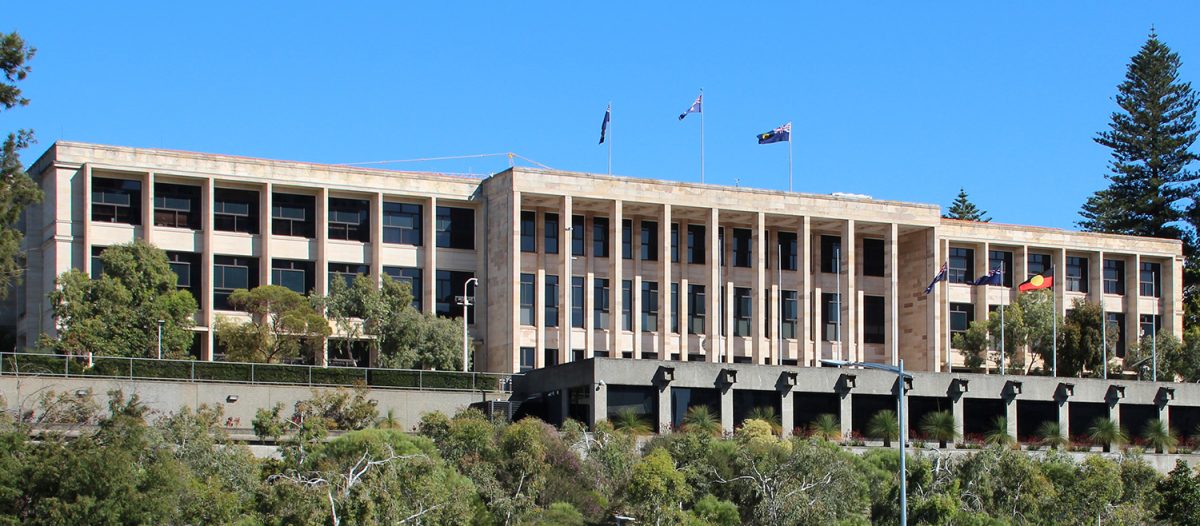
The Western Australian government has recently been consulting on their second round of liquor licencing reforms by inviting feedback on a Discussion Paper. These reforms are happening in the context of significant national commitments to reduce alcohol-related gendered-violence.

Children need environments that are safe and support their wellbeing and this extends to digital spaces. However, children are currently subjected to pervasive data collection and profiling practices in digital environments, often without genuine consent or understanding.

South Australia needs effective, evidence-informed regulatory controls to address and reduce harms from alcohol. However, the laws that exist to keep people safe and protect them from harm have not kept pace with the way that alcoholic products are marketed, sold and delivered.

Violence involving alcohol increases at the time of football grand finals and the State of Origin. The link is so strong that the Rapid Review of Prevention Approaches for family and domestic violence recommended that “alcohol advertising be restricted during sporting events”.