

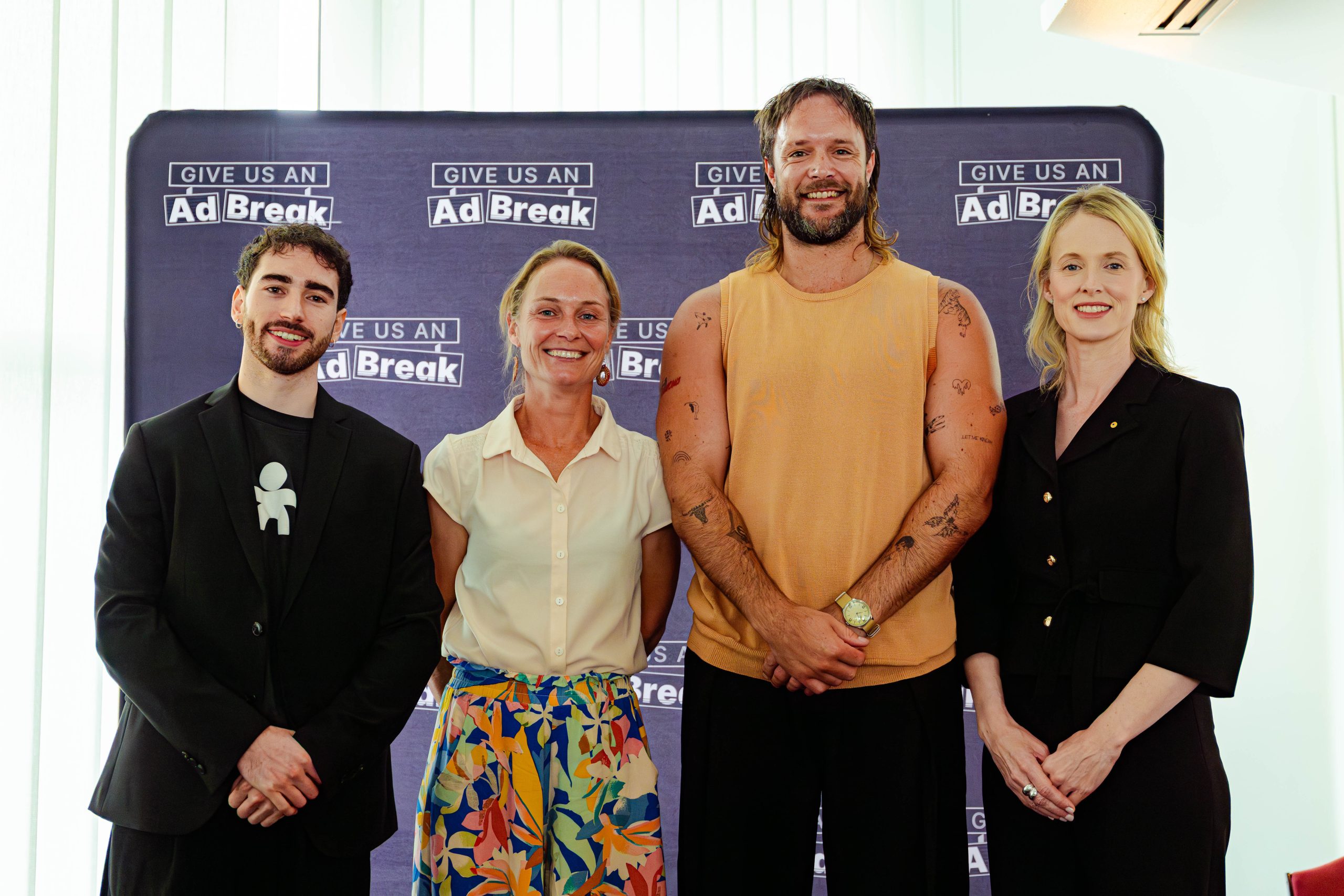
Mitch Brown knows how influential sport can be – particularly for its youngest fans.
Reflecting on his 10-year career, the former AFL player wants to see a future where professional sports leagues champion healthier spaces for his two young boys.
“When I look back at my athlete days, [harmful products] just felt like it was part of it all. Now stepping outwards, as a parent, first and foremost, it’s everywhere,” Mitch says.
“My little son, he’s five years old and he’s the world’s best negotiator. One of our parenting values is: ‘a little bit of everything is okay’. He repeats it back to me.
“That’s encouraging choice and education. But when that choice gets taken out of his hands [by this advertising], that’s not okay.”
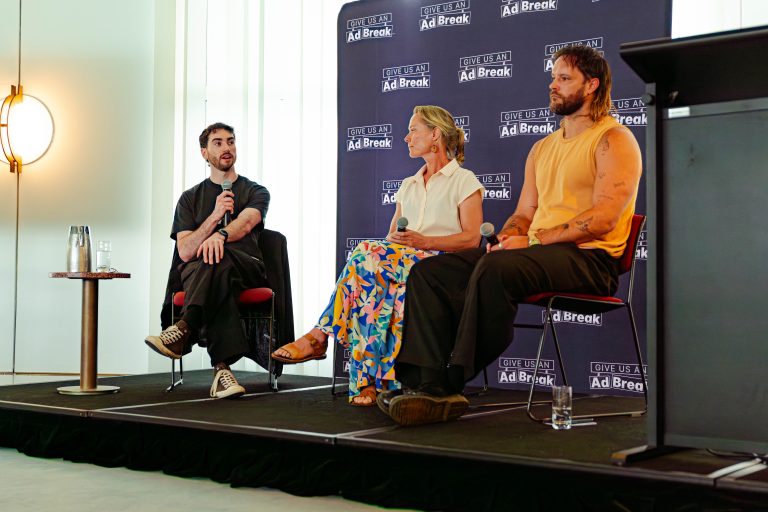
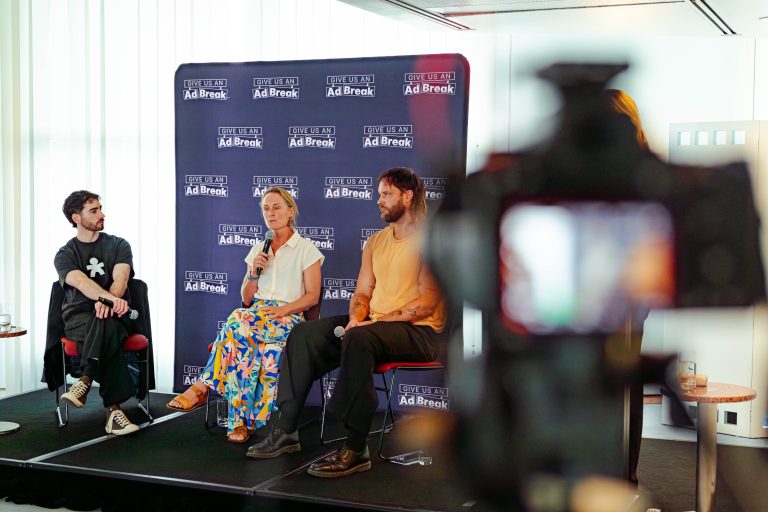
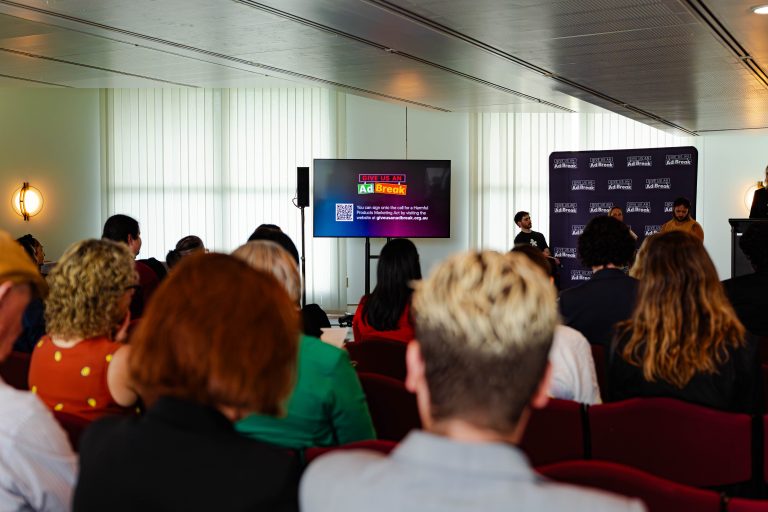
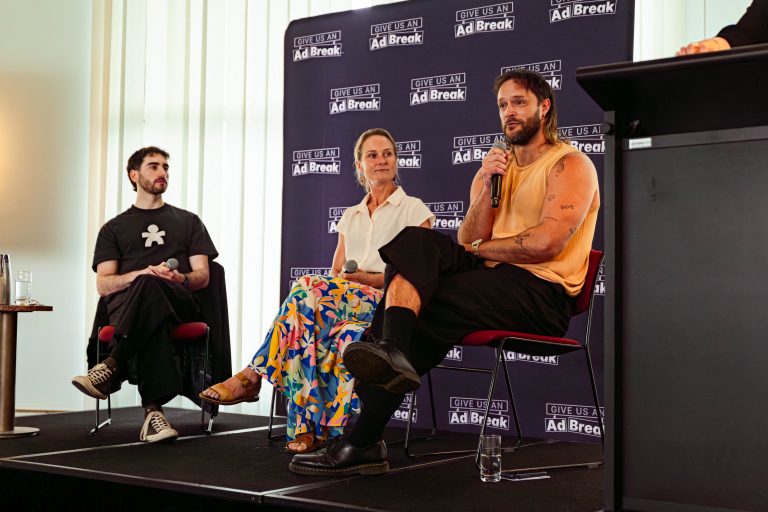
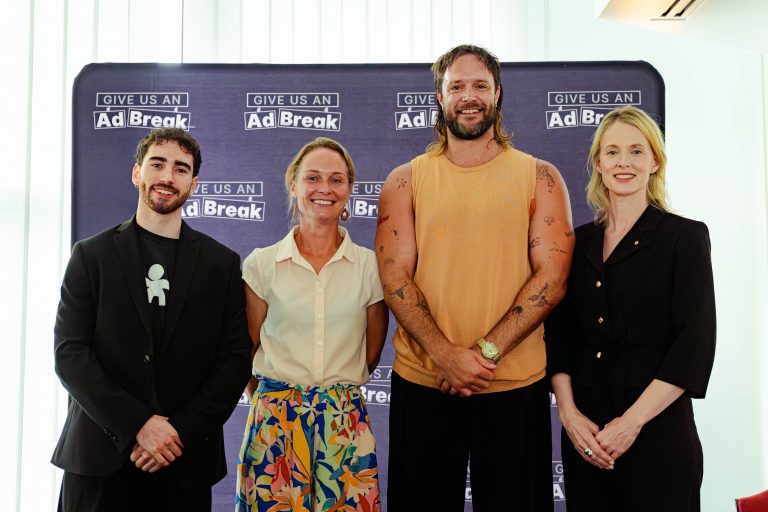
Mitch shared his thoughts at the ‘Give us an ad break’ launch event at Parliament House in March.
This marked the start of a campaign led by FARE, the Alliance for Gambling Reform and the Food for Health Alliance that calls on the federal government to introduce a Harmful Products Marketing Act.
View this post on Instagram
A post shared by Foundation for Alcohol Research and Education (FARE) (@fare.australia)
The proposed law is modelled on Australia’s world leading tobacco legislation. It would set clear, enforceable rules about how, when and where gambling, alcohol and unhealthy foods can be advertised – particularly where children could be exposed.
Evidence shows the more children see alcohol ads, the more likely they are to drink earlier and at high-risk levels later in life.
In essence, the status quo gives families few alternatives to being exposed to harmful advertising.
“When I can’t sit there [watching sport] and we do not have the choice to watch it without this advertising, that’s not okay,” Mitch said.
“You see this dull disclaimer at the end about ‘gambling responsibly’ – my kid remembers the lights, the colours, the entertainment, not that black and white messaging.
“This has got to change.”
‘Going it alone’: How harmful products are sold to young men
The Man Cave’s Head of Impact and Technology, Daniel Datnow-Jamieson, says we can now “draw a line of sight” between the messages young men see online about what it means to be a man, and harmful advertising.
When young men are told they must always “act strong and stoic and tough”, they are more inclined to bottle their feelings, and less likely to seek support.
This is having a real impact on young men’s wellbeing.
ABS data shows 1 in 3 teenage boys are living with a mental health condition.
In a recent Man Cave survey of 1500 young men, 1 in 2 say mental health is the biggest problem they are facing. 1 in 4 would prefer not to feel their feelings if they could.
In this context, alcohol and gambling can become tools for numbing, escape, and ‘going it alone’.
“Alcohol and gambling are now in the fabric of our culture – these harmful industries are profiting from advertising tools for self-harm to our young people."
Daniel Datnow-Jamieson, The Man Cave
“The consumption [of gambling and alcohol] is so normalised. But the impacts are not often spoken about, leading individuals and the people around them to suffer in silence.”
Acting on the spread of harmful product marketing is part of the solution.
At the same time, Daniel says we need to platform positive role models. Particularly ones who overcame the intersection of these harmful products and male stereotypes.
“Give us an ad break – but also, let’s platform the people (like Mitch and former NRL player Luke Bateman) who are talking about the impact these harmful products are having on their lives and the people around them,” Daniel said.
Addressing a ‘patchwork’ of industries who regulate themselves
As Co-Director of the Institute for Health Transformation at Deakin University, Professor Kathryn Backholer studies the impacts of children’s exposure to gambling, alcohol and unhealthy food marketing.
Deakin’s #DigitalYouth pilot study has found children between the ages of eight and 12 see high and unacceptable levels of online marketing for gambling, alcohol and unhealthy foods.
That exposure increases as they progress through their teens.
Kathryn says currently, gambling, alcohol and unhealthy food companies largely write, monitor and enforce a patchwork of voluntary industry advertising codes.
This gives them licence to smother our screens, sport, bus stops and billboards with ads. It also ensures they face few consequences for spreading harms in our community.
But a Harmful Product Marketing Act would give the government greater oversight.
And pave the way for a future with fewer harms.
“We’d obviously see a reduction in exposure to marketing content, leading to reductions in consumption and then flow-on effects to chronic disease, mental health and health care savings,” Kathryn said.
“But one of the most important benefits is the effect on social norms – if you walked down the streets of Canberra and saw a tobacco ad, you’d be shocked because it’s not normal.
“Yet we normalise gambling through sport, alcohol over social media and junk food ads on bus stops that our kids go past when they travel to school every day.
What lessons can be learned from tobacco control victory
Steering the panel was Doctor Bronwyn King AO, founder and CEO of Tobacco Free Portfolios.
She reflected on how hard-won victories for tobacco advertising reform followed a recognition of how the tobacco industry drove harms through marketing.
The community learned how “concerted and successful” marketing campaigns that encouraged people to smoke more – while downplaying the risks – increased rates of harm.
“Health behaviours do not exist in a vaccuum,” Dr King said.
“We cannot keep buying into industry fantasies of personal responsibility when the odds have been deliberately stacked against people making healthy choices.
“What we also know from tobacco reform is that with the right guardrails, we can protect the community and substantially reduce harm.”
That’s why Dr King asked decisionmakers to take a leaf out of the world-leading reforms to phase out tobacco advertising.
Start by understanding these commercial environments facilitate more harm. Then, act on the voluntary codes and industry self-regulation that fail to adequately protect our community.
“The Harmful Products Marketing Act – it will give families, young people and those trying to make healthier choices some breathing room,” Dr King said.
“And that’s what the community wants.”
Add your voice to the Give Us An Ad Break campaign today at giveusanadbreak.org.au