
ACT the first to introduce nation-leading alcohol delivery laws
Community groups and survivor-advocates have welcomed the ACT Government’s tabling today of its Liquor Amendment Bill 2025.



Community groups and survivor-advocates have welcomed the ACT Government’s tabling today of its Liquor Amendment Bill 2025.

At 43, Scott feels fitter and healthier than he’s ever been. It’s been three-and-a-half years since the Sydneysider cut alcohol out of his life for good.

By having honest conversations about alcohol harm we can remove stigma, hold industry to account, and meet dependence with compassion not condemnation.

South Australia’s Royal Commission into Domestic, Family and Sexual Violence has given the state’s leaders a clear direction to pull every lever to help prevent violence towards women and children – including action on alcohol.

Our Children’s Online Privacy Code submission calls for better laws to prevent harms to children and strengthen their digital rights.

Fundraise for FARE No matter how you choose to fundraise – run, host, create, or celebrate – you’re helping build

If your child has a FASD diagnosis, or you’re considering getting a diagnosis, it can feel daunting. But a diagnosis unlocks understanding and support.

I was fortunate enough to have a paediatrician correctly diagnose my son with Fetal Alcohol Spectrum Disorder (FASD), when he was four years old.

Community organisations and leading family violence experts are calling on the AFL and NRL to take action to help curb the surge in violence towards women and children around grand finals by phasing out harmful alcohol and gambling advertising that fuels the crisis.
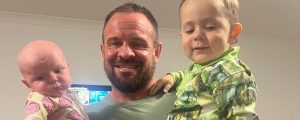
Sobriety has shifted Sam’s perspective, where he once wanted control, he now chooses to enjoy the chaos of fatherhood.

The emergence of the online sale of alcohol for delivery to homes means alcohol is more available and there is heightened risk of harm to our community.

New research has found online alcohol sales and advertising are exposing Australians to increased harm – especially people most at risk – while current laws fail to keep pace with the digital environment.

The way alcohol is sold and marketed has changed, bringing heightened risk of harm while our regulatory system fails to keep pace.


Sign up for updates about digital alcohol advertising If you are interested in receiving updates about research and reports on

“The way they approached it put me at ease, and I started to understand things.”
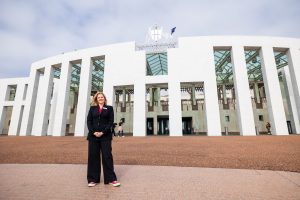
After decades of advocacy from families, clinicians and researchers, awareness of FASD is higher than ever in 2025.

Growing up as a gay man in regional Australia, Andrew Addie felt encouraged to drink and surrounded by a culture of alcohol.
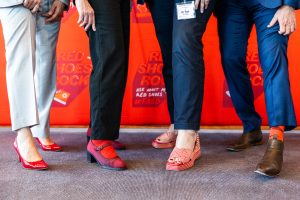
The Red Shoes Rock campaign raises awareness of Fetal Alcohol Spectrum Disorder (FASD), which affects up to one million Australians.

The Western Australian government has recently been consulting on their second round of liquor licencing reforms by inviting feedback on a Discussion Paper. These reforms are happening in the context of significant national commitments to reduce alcohol-related gendered-violence.
Community groups and survivor-advocates have welcomed the ACT Government’s tabling today of its Liquor Amendment Bill 2025.
At 43, Scott feels fitter and healthier than he’s ever been. It’s been three-and-a-half years since the Sydneysider cut alcohol out of his life for good.
By having honest conversations about alcohol harm we can remove stigma, hold industry to account, and meet dependence with compassion not condemnation.
South Australia’s Royal Commission into Domestic, Family and Sexual Violence has given the state’s leaders a clear direction to pull every lever to help prevent violence towards women and children – including action on alcohol.
Our Children’s Online Privacy Code submission calls for better laws to prevent harms to children and strengthen their digital rights.
If your child has a FASD diagnosis, or you’re considering getting a diagnosis, it can feel daunting. But a diagnosis unlocks understanding and support.
I was fortunate enough to have a paediatrician correctly diagnose my son with Fetal Alcohol Spectrum Disorder (FASD), when he was four years old.
Community organisations and leading family violence experts are calling on the AFL and NRL to take action to help curb the surge in violence towards women and children around grand finals by phasing out harmful alcohol and gambling advertising that fuels the crisis.
Sobriety has shifted Sam’s perspective, where he once wanted control, he now chooses to enjoy the chaos of fatherhood.
The emergence of the online sale of alcohol for delivery to homes means alcohol is more available and there is heightened risk of harm to our community.
New research has found online alcohol sales and advertising are exposing Australians to increased harm – especially people most at risk – while current laws fail to keep pace with the digital environment.
The way alcohol is sold and marketed has changed, bringing heightened risk of harm while our regulatory system fails to keep pace.
“The way they approached it put me at ease, and I started to understand things.”
After decades of advocacy from families, clinicians and researchers, awareness of FASD is higher than ever in 2025.
Growing up as a gay man in regional Australia, Andrew Addie felt encouraged to drink and surrounded by a culture of alcohol.
The Red Shoes Rock campaign raises awareness of Fetal Alcohol Spectrum Disorder (FASD), which affects up to one million Australians.
The Western Australian government has recently been consulting on their second round of liquor licencing reforms by inviting feedback on a Discussion Paper. These reforms are happening in the context of significant national commitments to reduce alcohol-related gendered-violence.