

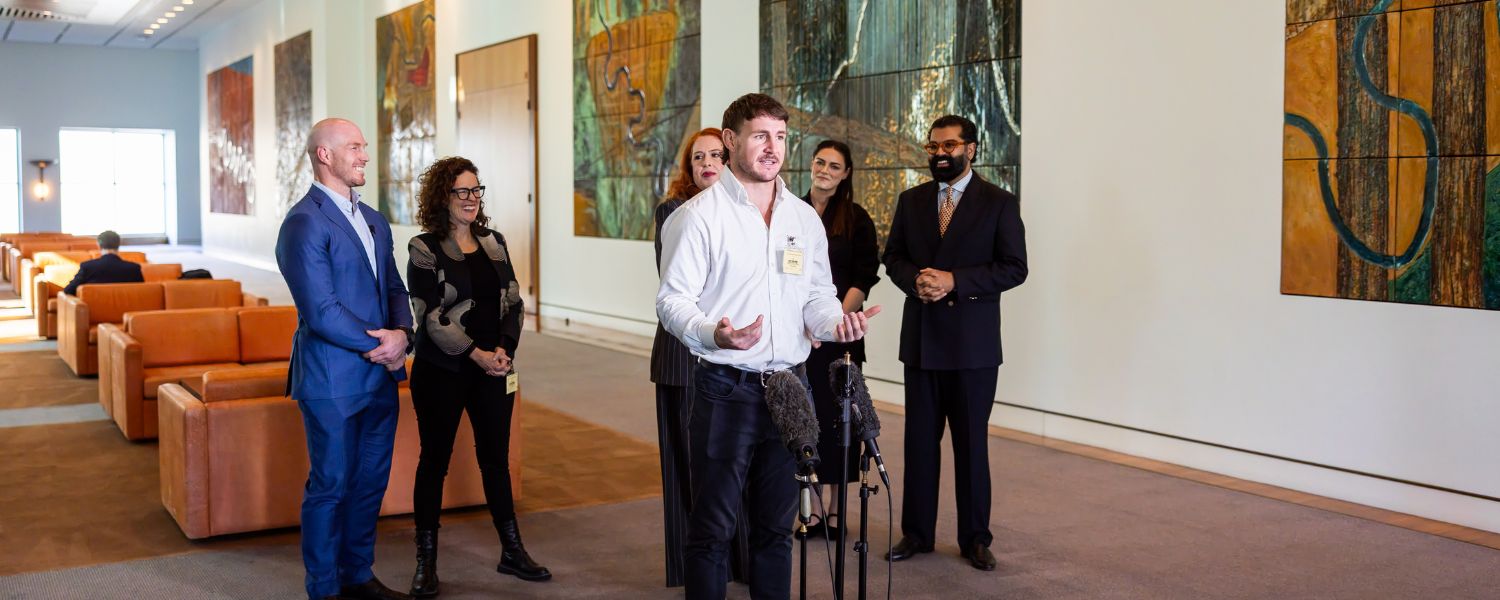
Advocates, sports players and executives are calling for change to Australia’s alcohol-soaked sporting culture which perpetuates harm to women and children.
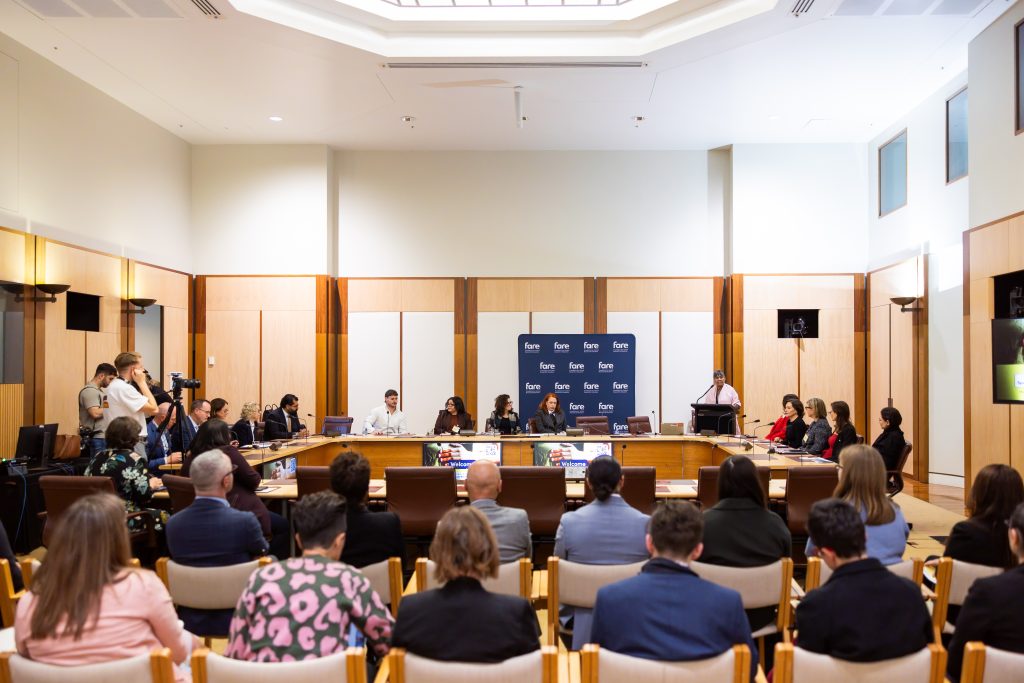
An event at Parliament House in June examined sport’s influence on masculinity, alcohol use and aggression.
Gender-based violence is increasing across Australia, and its effects are catastrophic and preventable. Women and children experience higher rates of violence on the nights of major sporting events, including State of Origin and the AFL Grand Final.
Author, journalist and advocate Jess Hill was among the experts on the federal government’s rapid review into how to prevent violence to women and children. During a press conference ahead of the event at Parliament House, she said there was no question that alcohol makes violence worse.
“When we talk about family and domestic violence, for a long time, we haven’t talked about how significant a risk factor alcohol and gambling is,” she said.
“Alcohol acts like an accelerant in already violent situations. It makes violence more intense, more severe, and can make it lethal in situations where it otherwise would not be.”
Jess highlighted the ways pervasive alcohol advertising during sport increase harm. She said a review of the rules governing alcohol ads on TV, led by the Australian Media and Communications Authority, was an opportunity to reduce children’s exposure to this harmful product.
“What they can do through the ACMA code is say that, ‘we’re going to close the sports loophole that says kids can essentially watch alcohol marketing and promotion so long as it’s during live sports’,” she said.
“ACMA recognises that for the rest of the day and when sport is not on, that advertising is harmful to young people, because it normalises heavy drinking and masculinist drinking cultures.
“That is a massive risk factor for things like gender-based violence.”
Generally, alcohol ads can only be aired from 8.30pm to 5am or 12pm – 3pm on school days.
The loophole means alcohol ads can be shown anytime on weekends and public holidays during a sports broadcast. Even when thousands of children are watching.
“Kids are watching free-to-air television when live sports events are on and they are being inundated with alcohol and gambling promotion,” Jess said.
The event focused on a panel discussion featuring Jess alongside former AFL executive Tanya Hosch AM and former rugby player Luke Bateman.
Tanya is the former Executive General Manager of Inclusion and Social Policy at the AFL.
Speaking on the panel, she underscored the way sport had an “incredible ability to bring people from very different walks of life together really successfully”.
“The thing is that Australia’s got a huge drinking culture,” she said.
“You put sport and that [drinking] culture together and that has become part of sport culture. All the training, all the community awareness messages in the world isn’t going to address culture.
“Culture doesn’t change by flicking a switch … There needs to be a reset of behaviour and that is where the leadership comes in.”
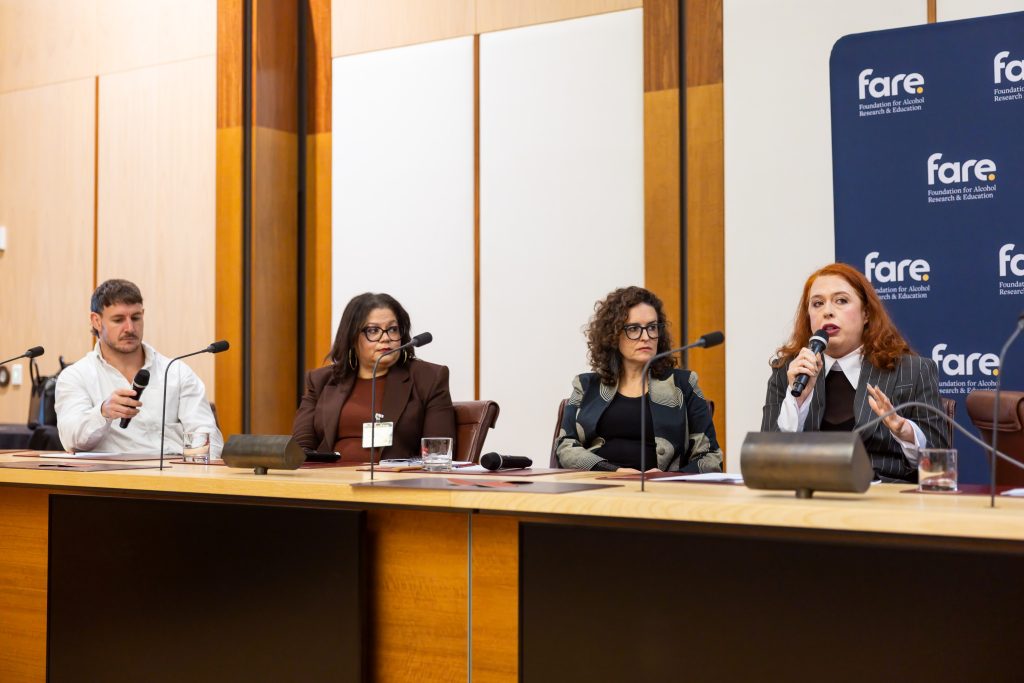
Former Canberra Raiders player Luke Bateman knows the culture of alcohol use in sport first-hand. He said athletes voices have power to create cultural change and change peer expectations among men.
During the panel discussion he shared that growing up playing rugby, “alcohol was like breathing in those cultures”.
He wanted young men to know that “strength is vulnerability” and for their “emotional worlds to be validated.”
“These [sport] codes don’t protect women, but they also do a really poor job at protecting men as well,” he said.
Governments and regulators across the country have the power and responsibility to enact swift, life-saving changes.
Parliamentarians, alongside community and sporting leaders, can champion policies and investments that recognise sport as a powerful lever for prevention through deliberate changes to culture, sponsorship, governance and accountability.
ACMA’s ongoing review of the rules for alcohol ads on TV is a key opportunity for change. If ACMA agrees that the current system isn’t safeguarding the community, it can take regulation back into its own hands by creating what is called a ‘program standard’, rather than letting the industry continue to set their own rules.
ACMA has a responsibility to the community it serves to ensure the rules around alcohol ads on TV put health and wellbeing first.