

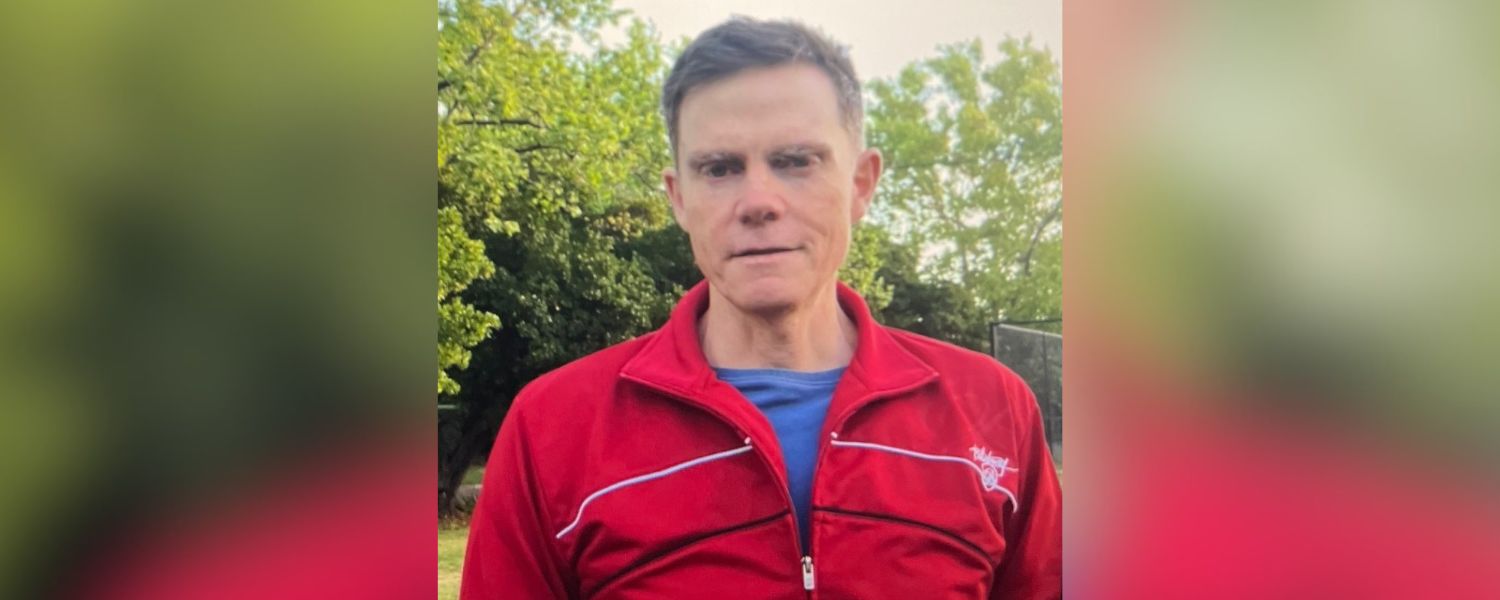
I grew up on a farm near a small town in central NSW. Throughout my childhood I played a range of sports and liked to watch it on TV almost as much.
Whenever I could, I watched sport – during the day, in the evening, even overnight while my parents slept.
I often watched an entire day’s play of cricket during the summer holidays, including every ad.
Alcohol ads reinforce the idea that consumption of alcohol is a routine activity associated with sport. Now, my own son loves playing and watching sport just as I did at his age, but the incessant alcohol ads during the tennis, cricket and football are deeply concerning.
The alcohol industry says children don’t watch much sport or when they do they are usually supervised by adults, but that is clearly untrue.
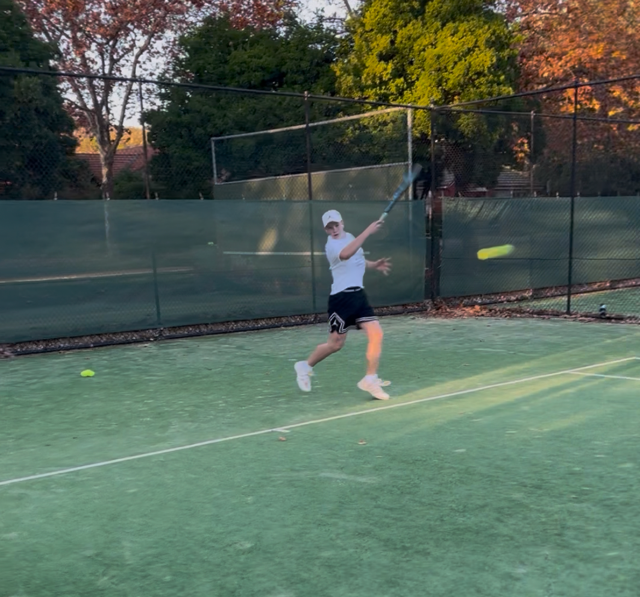
When I went to university in Sydney, I lived in a residential college on campus. Sport and alcohol were major themes at the colleges. Some cricket team members thought it would be good to have a sponsor and approached a local pub, which paid for team shirts featuring the name and logo of the pub.
It was not surprising that they found an alcohol sponsor. Ads associating alcohol with sport had been on TV for decades – for almost as long as TV had existed in Australia.
My cricket teammates didn’t just seek out alcohol-related sponsorship; most of them also drank alcohol. Alcohol didn’t appeal to me, and I was comfortable in declining it. One of my teammates asked for me advice on how to decline alcohol. He said being in the cricket team made him feel pressured to drink when he didn’t want to.
I have seen the harm alcohol can cause in many parts of my life.
A few years later my brother Greg died when the car he was driving left the road late one night and overturned. He was trying to drive home after drinking with friends in a pub in the town where we grew up.
He was 23 and his blood-alcohol content was 0.192. He had been a hard-working farmer.
There were very few options for socialsing in our hometown. Those options included playing sport and going to pub.
Greg wasn’t really interested in sport so that left going to the pub. There were lots of pubs even though it was a small town. Maybe if there had been less alcohol ads over the decades there would have been a reduced alcohol culture in the town.
I eventually moved to Canberra and in my spare time volunteered with Lifeline Canberra. When taking calls, I heard how alcohol increases harm in a range of ways.
Now, my son Robin is old enough to play and watch sport, and be influenced by advertising.
Like most Australians I think it is wrong that alcohol ads can be shown during sports programs when children are watching.
I think it discriminates against children because they are forced to see the ads if they want to watch sport.
Unlike adults, children are too young to understand the risks of alcohol and advertising tactics. Parents should not have to choose between letting children be exposed to alcohol ads or reducing their viewing to protect them from the ads.
My concerns about alcohol ads led me to commence Federal Court litigation in 2023 seeking an order that decisions about the current rules about alcohol ads on TV were unlawful.
At the moment, the rules for alcohol ads on free-to-air TV include a loophole that means alcohol ads can be shown at any time of day on weekends and public holidays during sports broadcast.
That means, for example, alcohol ads can be played at 9am on the day of the AFL grand final.
The Australian Communications and Media Authority announced in 2025 that it is reviewing those rules, so I discontinued the litigation.
I hope the Australian Government now takes the opportunity to make better rules about ads for alcohol and other unhealthy products. That would be a very simple and cost-effective way of reducing a range of medical, social and economic problems.
Children deserve better and closing the loophole will protect children both now and for decades to come.